



Schedule for Friday March 20, 2026

|

|

|

|
Friday
7:00A
7:00A
General Event
Hilton Buffet Breakfast
Hilton Buffet Breakfast
Duration: 3+00
Location: Ad Lib Restaurant
Location: Ad Lib Restaurant
Ad Lib Restaurant
Friday
7:30A
7:30A
General Event
Daily Catholic Mass
Daily Catholic Mass
Duration: 0+30
Location: Commonwealth
Location: Commonwealth
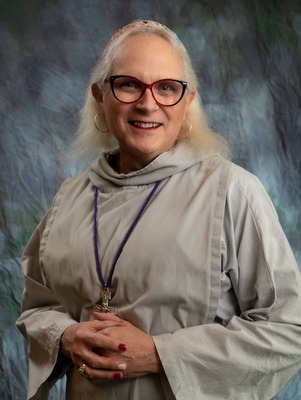
Mother Grace, a transgender Catholic priest, is part of the independent and inclusive Catholic Apostolic Church, which lovingly shares all the sacraments with no restriction.
Friday
8:00A
8:00A
Workshop
Providing Culturally Competent Care for Transgender and Gender-Expansive Patients
Providing Culturally Competent Care for Transgender and Gender-Expansive Patients
Duration: 1+00
Location: TBA
Location: TBA
LCSW CE
CME
Friday
8:30A
8:30A
General Event
Spill the T about Keystone – How to Maximize Your Experience at the Conference
Spill the T about Keystone – How to Maximize Your Experience at the Conference
Duration: 1+00
Location: 15th Floor Lounge
Location: 15th Floor Lounge
Friday
8:30A
8:30A
General Event
Exhibitor Area
Exhibitor Area
Duration: 8+00
Location: Pennsylvania
Location: Pennsylvania

Keystone Exhibitors
Friday
8:30A
8:30A
General Event
Keystone Registration Desk
Keystone Registration Desk
Duration: 8+30
Location: Pennsylvania
Location: Pennsylvania
- Wed: 8:30 am to 5:00 pm
- Thu: 8:30 am to 5:00 pm
- Fri: 7:30 am to 5:00 pm (earlier for CME workshops)
- Sat: 8:30 am to 5:00 pm
Friday
9:00A
9:00A
General Event
Keystone Clothing Exchange
Keystone Clothing Exchange
Duration: 8+00
Location: Pennsylvania
Location: Pennsylvania

Lancaster County
Chooses Love
The Keystone Clothing Exchange is sponsored by the Lancaster County Chooses Love.
Friday
9:00A
9:00A
Workshop
The Intersection of Gender and Autism: How to Rethink Your Approach with Clients
The Intersection of Gender and Autism: How to Rethink Your Approach with Clients
Duration: 1+00
Location: TBA
Location: TBA
LCSW CE
CME
Friday
9:30A
9:30A
General Event
Quiet Space
Quiet Space
Duration: 3+30
Location: Commonwealth
Location: Commonwealth

Friday
9:30A
9:30A
Workshop
Never Too Late: Embracing Transition at Any Age
Never Too Late: Embracing Transition at Any Age
Duration: 1+15
Location: TBA
Location: TBA
Friday
9:30A
9:30A
Workshop
Understanding Your Rights as an LGBTQ Pennsylvanian
Understanding Your Rights as an LGBTQ Pennsylvanian
Duration: 1+15
Location: TBA
Location: TBA
Friday
9:30A
9:30A
Workshop
Get Out the Map! It’s Your Transgender Journey
Get Out the Map! It’s Your Transgender Journey
Duration: 1+15
Location: TBA
Location: TBA
Friday
9:30A
9:30A
Workshop
Feeling Overwhelmed? Ground Yourself with Gentle and Affirming Yoga
Feeling Overwhelmed? Ground Yourself with Gentle and Affirming Yoga
Duration: 1+15
Location: TBA
Location: TBA
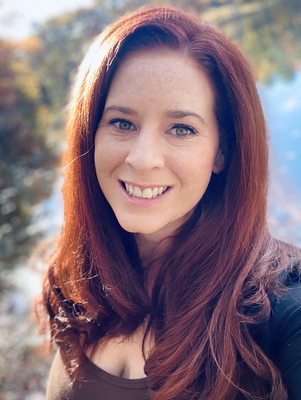
This class offers gentle, grounding, yoga with accessible movement options throughout. This class can be enjoyed from a chair, on a mat, or using a combination of the two. Come in comfy clothes, come in your heels, come exactly as you are. All bodies are welcome, and we will make it easy for you – no experience necessary. Our focus is on mindful movement and impactful stretching to ease tension, support regulation, and create a sense of embodied presence. Together, we will find our center. Interest Tags: Not Specified
Friday
9:30A
9:30A
Workshop
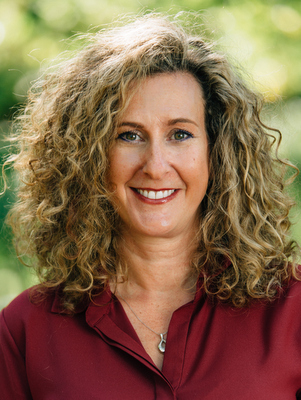
Making It Together; Cis partners in a committed relationship with a Trans partner (Cis Partners Only)
Making It Together; Cis partners in a committed relationship with a Trans partner (Cis Partners Only)
Duration: 1+15
Location: TBA
Location: TBA
Friday
9:30A
9:30A
Workshop
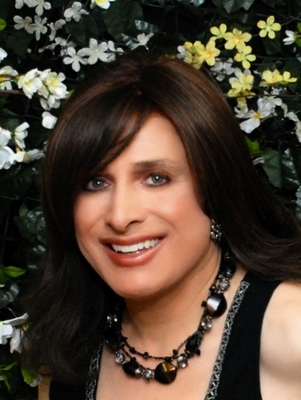
Surviving and Thriving All Year Round While Living Only Part Time in Your Preferred Gender
Surviving and Thriving All Year Round While Living Only Part Time in Your Preferred Gender
Duration: 1+15
Location: TBA
Location: TBA
Friday
9:30A
9:30A
Workshop
Mix and Match
Mix and Match
Duration: 1+15
Location: TBA
Location: TBA

Friday
9:30A
9:30A
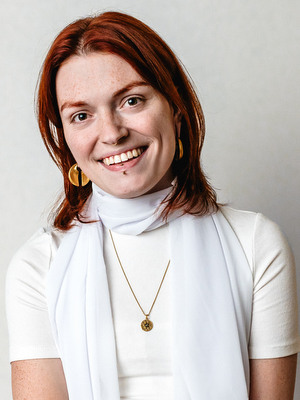
Workshop
Shades of You
Shades of You
Duration: 1+15
Location: TBA
Location: TBA
Friday
10:15A
10:15A
Workshop
It's NOT Not Natural - The Biology of Sex and Gender
It's NOT Not Natural - The Biology of Sex and Gender
Duration: 1+00
Location: TBA
Location: TBA
LCSW CE
CME
Friday
11:00A
11:00A
Workshop
AI and The Transgender Community. It's Worse (and Better) Than You Thought
AI and The Transgender Community. It's Worse (and Better) Than You Thought
Duration: 1+15
Location: TBA
Location: TBA
Friday
11:00A
11:00A
Workshop
Advocacy - For Yourself And Others (AKA How to Game the System)
Advocacy - For Yourself And Others (AKA How to Game the System)
Duration: 1+15
Location: TBA
Location: TBA
Friday
11:00A
11:00A
Workshop
Putting the 'Self' in Self-Confidence
Putting the 'Self' in Self-Confidence
Duration: 1+15
Location: TBA
Location: TBA
Friday
11:00A
11:00A
Workshop
Beyond Survival: Reclaiming Your Life When Everything Changes
Beyond Survival: Reclaiming Your Life When Everything Changes
Duration: 1+15
Location: TBA
Location: TBA
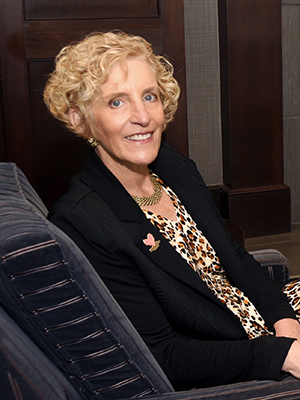
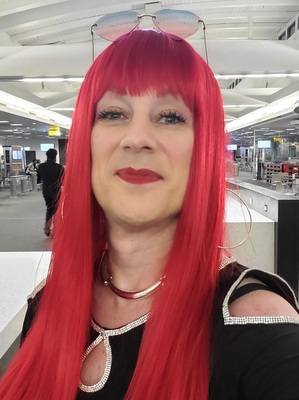
This heart-centered visioning workshop is an open invitation to anyone navigating life after a major shift. You’ll be guided to pause and reflect on what has changed for you, what you’ve been carrying, and what parts of yourself may have gone quiet along the way.
Through gentle reflection and practical visioning tools, you’ll begin to reconnect with what matters most and create a personal vision that feels authentic, grounded, and alive. This is not about fixing anything or having a five-year plan, it’s about moving beyond survival and remembering that your life still gets to feel like yours.
Come as you are. Leave with clarity, self-compassion, and a renewed sense of possibility for what comes next. Interest Tags: Not Specified
Friday
11:00A
11:00A
Workshop
Transgender in the Scriptures
Transgender in the Scriptures
Duration: 1+15
Location: TBA
Location: TBA

If you want to be comfortable that the Scriptures didn't leave trans people out or want arguments to refute the non-accepting, this is the right session to attend. I have updated it with new source material and I think you will leave with a greater appreciation of how you are included in the Bible even if it's hammered home that you don't.
No prior religious background is needed and agnostics and atheists are encouraged to attend to be better allies. Interest Tags: Advocacy, Gender Affirming, Spirituality/Religion
Friday
11:00A
11:00A
Workshop
Making It Together: Being Trans in a committed relationship with a Cis partner (Trans Partners Only)
Making It Together: Being Trans in a committed relationship with a Cis partner (Trans Partners Only)
Duration: 1+15
Location: TBA
Location: TBA
Friday
11:00A
11:00A
Workshop
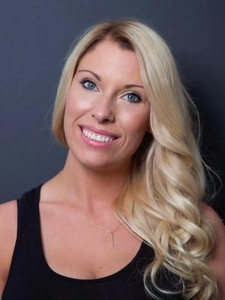
Luscious Lips
Luscious Lips
Duration: 1+15
Location: TBA
Location: TBA
Friday
11:00A
11:00A
Workshop
Wigs, Toppers and More...
Wigs, Toppers and More...
Duration: 1+15
Location: TBA
Location: TBA
Friday
11:15A
11:15A
Workshop
Feminizing of the Hairline and Hairloss-Related Treatments During Transition
Feminizing of the Hairline and Hairloss-Related Treatments During Transition
Duration: 1+00
Location: TBA
Location: TBA
CME

Mrs. Lindsey
Ditanna
Friday
12:30P
12:30P
Ticketed Event
Friday Luncheon
Friday Luncheon
Duration: 1+30
Location: Carlisle
Location: Carlisle
Ticketed event. Pre-registration is required.
Join us for our Friday luncheon dedicated to celebrating the vibrant and diverse transgender community. This event is an opportunity to come together, share experiences, and build lasting connections in a supportive and welcoming environment.
Friday
12:30P
12:30P
Ticketed Event
Cis-Gender Spouse/SO Luncheon at Duke's Bar & Grille
Cis-Gender Spouse/SO Luncheon at Duke's Bar & Grille
Duration: 1+30
Location: Hotel Lobby
Location: Hotel Lobby
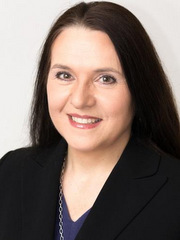
Ticketed event. Pre-registration is required.
Hosted by SO Program Directors, cis-gender spouses or significant others (cis-gender only) are invited to join others for an offsite luncheon at Duke's Bar and Grille overlooking the beautiful Susquehanna River. Please meet in the hotel lobby at 12:30 pm. Duke's is a central Pennsylvania staple, focused on sourcing food locally.
Bus leaves the hotel lobby promptly at 12:40 pm.
Friday
1:45P
1:45P
Auxiliary Activity
Crossdresser Heaven Meet-up
Crossdresser Heaven Meet-up
Duration: 1+30
Location: Commonwealth
Location: Commonwealth

Crossdresserheaven.com is a safe and supportive site for crossdressers to chat, share experiences, ask questions and find common interests. There are different forums for intros, fashion, daily life and even a forum for spouses & significant others who want to find out more about why individuals crossdress. Basic membership is free and includes space to upload up to five photos. Other plans are available for a fee.
This is an Auxiliary Activity and not directly associated with the Keystone Conference. Auxiliary Activities are put on by trusted organizations, businesses and people who are extending a special invitation to all Keystone participants. For more information about this event, please contact the host/organization of the event directly.
Friday
2:00P
2:00P
Workshop
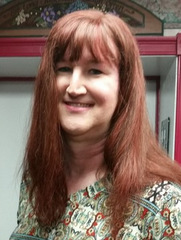
My Journey Finding Out I Was Actually Intersex, Besides being Trans
My Journey Finding Out I Was Actually Intersex, Besides being Trans
Duration: 1+15
Location: TBA
Location: TBA
Friday
2:00P
2:00P
Workshop
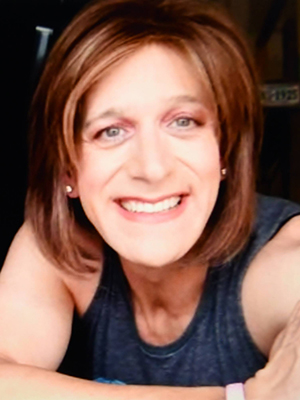
Doing the Work of Becoming: How Action Builds Identity and Confidence for Trans Women
Doing the Work of Becoming: How Action Builds Identity and Confidence for Trans Women
Duration: 1+15
Location: TBA
Location: TBA
Friday
2:00P
2:00P
Workshop
Confidence Has a Shape: Planet Pepper Hip/Butt Pads for Trans Women and Cross Dressers
Confidence Has a Shape: Planet Pepper Hip/Butt Pads for Trans Women and Cross Dressers
Duration: 1+15
Location: TBA
Location: TBA
Mr. Alex
Bartlett
Friday
2:00P
2:00P
Workshop
Beauty on a Dime
Beauty on a Dime
Duration: 1+15
Location: TBA
Location: TBA
Friday
2:00P
2:00P
Workshop
Mental Health Disparities and Resilience in Gender-Diverse Adolescents
Mental Health Disparities and Resilience in Gender-Diverse Adolescents
Duration: 1+15
Location: TBA
Location: TBA
LCSW CE

Friday
2:00P
2:00P
Workshop
Transgender in Faith
Transgender in Faith
Duration: 1+15
Location: TBA
Location: TBA
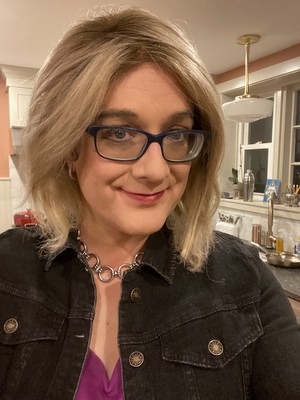
In this interactive workshop, we'll explore the role that faith has played in our transgender journeys and the journeys of others in our lives. Panelists will each share a short introduction about how their faith and connection to something higher than themselves has shaped their life journey including coming out as transgender in that community. They will also tap into how they are shaping lives in their places of worship and even the larger faith itself. We will devote the second half of our workshop to Q&A and discussion with the audience. Our panelists are: Ms. Jennifer Lehman, Lutheran; Ms. Lilia Weber, Unitarian Universalist; and Ms. Lila Satori, Judaism.
Interest Tags: Experience Sharing/Discussion, Spirituality/Religion
Friday
2:00P
2:00P
Workshop
How to Flirt: Practical Communication for Connection (For Trans Men & Transmasculine / Nonbinary Folks)
How to Flirt: Practical Communication for Connection (For Trans Men & Transmasculine / Nonbinary Folks)
Duration: 1+15
Location: TBA
Location: TBA
Friday
2:00P
2:00P
Workshop
Prepared, Not Panicked: Interacting with Law Enforcement When Your ID Doesn’t Tell the Whole Story
Prepared, Not Panicked: Interacting with Law Enforcement When Your ID Doesn’t Tell the Whole Story
Duration: 1+15
Location: TBA
Location: TBA
Friday
2:00P
2:00P
Workshop
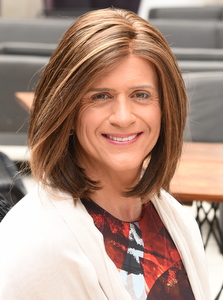
Transgender Personalities in History (from the 1860s to the Present Day)
Transgender Personalities in History (from the 1860s to the Present Day)
Duration: 1+15
Location: TBA
Location: TBA
Friday
2:00P
2:00P
Workshop
An Overview of Transfeminine Surgeries
An Overview of Transfeminine Surgeries
Duration: 1+15
Location: TBA
Location: TBA
LCSW CE
CME

Friday
3:00P
3:00P
Workshop
Bills, Bans, and Best Practice: Clinical Decision-Making for Affirming Providers
Bills, Bans, and Best Practice: Clinical Decision-Making for Affirming Providers
Duration: 1+15
Location: TBA
Location: TBA
LCSW CE
CME
Mrs. Jessica
Sempowski
Friday
3:30P
3:30P
Workshop
Learn to Dance
Learn to Dance
Duration: 1+15
Location: TBA
Location: TBA
Mr. Stan
Wojciechowski
Mr. Stan
Wojciechowski
Mrs. Sybil
Wojciechowski
Friday
3:30P
3:30P
Workshop
Affirmation Without Harm: Gender Euphoria, Disordered Eating, and Ethical Treatment with Trans and Gender-Diverse Clients
Affirmation Without Harm: Gender Euphoria, Disordered Eating, and Ethical Treatment with Trans and Gender-Diverse Clients
Duration: 1+15
Location: TBA
Location: TBA
LCSW CE
Bellamy
Linnehan
Friday
3:30P
3:30P
Workshop
Is It Crazy That I Might Be Bisexual?: Exploring the 50 Shades of Identity
Is It Crazy That I Might Be Bisexual?: Exploring the 50 Shades of Identity
Duration: 1+15
Location: TBA
Location: TBA
Karla
Brown
Jennifer Marie and her partner co-lead this seminar through an honest, grounded conversation about kink, power dynamics, desire, and comfort zones, all framed through trust, communication, consent, and emotional safety. Drawing from lived experience, they explore how curiosity and self-awareness can be empowering rather than shame-filled.
Why Attend:
This workshop offers a respectful, affirming space to discuss topics that are often whispered about, or avoided altogether. Whether you’re curious about kink, navigating changing desires, questioning your sexuality, or simply seeking open, thoughtful conversation, you’ll leave feeling informed, validated, and empowered. Interest Tags: Counselors/Therapists, Family/Friends, Gender Affirming, Non-Binary, Relationships, Safety, Spouses/Signification Others, TransFeminine, TransMasculine, TransPeople of Color
Friday
3:30P
3:30P
Workshop
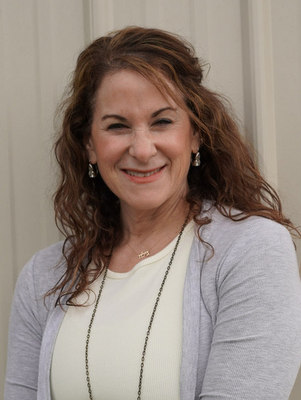
Beyond Hair Removal: Skin Health & Gender Affirmation Without Injectables
Beyond Hair Removal: Skin Health & Gender Affirmation Without Injectables
Duration: 1+15
Location: TBA
Location: TBA

Emma
Schutte
Friday
3:30P
3:30P
Workshop
The Ones We’re Closest to Are Sometimes the Hardest to Reach
The Ones We’re Closest to Are Sometimes the Hardest to Reach
Duration: 1+15
Location: TBA
Location: TBA
Friday
3:30P
3:30P
Workshop
Master Styling Tricks for Every Body Shape and Size
Master Styling Tricks for Every Body Shape and Size
Duration: 1+15
Location: TBA
Location: TBA
Friday
3:30P
3:30P
Workshop
Transmasculine Makeup Workshop
Transmasculine Makeup Workshop
Duration: 1+15
Location: TBA
Location: TBA
Friday
3:30P
3:30P
Workshop
But You Lied To Me - A Way to Explore the Emotions (SOs Only)
But You Lied To Me - A Way to Explore the Emotions (SOs Only)
Duration: 1+15
Location: TBA
Location: TBA
Friday
3:30P
3:30P
Workshop
Anti-Trans Legislation - What Is It Really All About and How Do We Combat It?
Anti-Trans Legislation - What Is It Really All About and How Do We Combat It?
Duration: 1+15
Location: TBA
Location: TBA
Friday
4:15P
4:15P
Workshop
An Overview of Transmasculine Surgeries
An Overview of Transmasculine Surgeries
Duration: 1+00
Location: TBA
Location: TBA
LCSW CE
CME
Friday
6:00P
6:00P
Ticketed Event
Hollywood Casino & Penn National Race Course
Hollywood Casino & Penn National Race Course
Duration: 4+00
Location: Hotel Lobby
Location: Hotel Lobby
Ticketed event. Pre-registration is required.
Dining at Hollywood is always a special experience. They offer a variety of choices, each with its own special flair, unique flavors, and the kind of red-carpet service you deserve. Hollywood Casino features over 2,450 reel, video slot and video poker machines ranging from one penny to $100, with all the hottest games currently available. And with over 50 table games and 16 poker tables, Hollywood Casino has a game for everyone.
Dinner at individual expense. Bus leaves the hotel promptly at 6:00 pm. Don't forget your bus ticket and a photo ID! The casino will check to see that you have an ID--not what the picture looks like!
Friday
6:00P
6:00P
Ticketed Event
Pinball, Pints, Pop & Pizza for Everyone!
Pinball, Pints, Pop & Pizza for Everyone!
Duration: 3+30
Location: Hotel Lobby
Location: Hotel Lobby
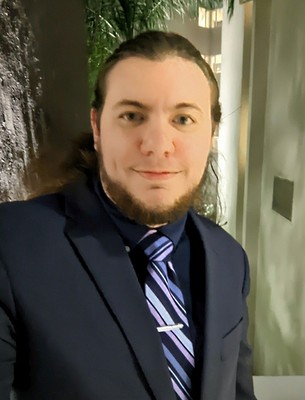
Ticketed event. Pre-registration is required.
Well...at least for the lucky 30 people who sign up first. Join Tesla for this offsite event at his house for some food, fun and to play one of a plethera of pinball machines that he collects. This event is open to everyone!
Bus leaves the hotel lobby promptly at 6:00 pm.
Friday
7:00P
7:00P
Social Event
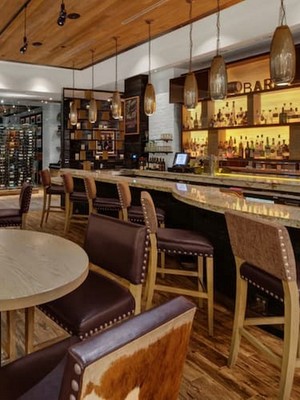
Social Time in the Hilton Bar
Social Time in the Hilton Bar
Duration: 2+30
Location: Hilton Bar
Location: Hilton Bar
Friday
7:00P
7:00P
Social Event
Keystone Bingo!
Keystone Bingo!
Duration: 2+30
Location: Lancaster
Location: Lancaster

Friday
7:30P
7:30P
Ticketed Event
Mama Mia! Movie Magic, Sing & Dance Night
Mama Mia! Movie Magic, Sing & Dance Night
Duration: 2+00
Location: Leland
Location: Leland

Ticketed event. Pre-registration is required.
Slip into your best island‑inspired outfit and get ready for a night of pure ABBA joy. We’re turning the Mama Mia movie into a full‑blown sing‑along celebration—complete with dancing, laughter, and all the feel‑good moments you can handle. As the film plays, the music becomes our cue to jump in, sing out, and dance like we’re on a sun‑soaked Greek island. Whether you know every lyric or just love the vibe, this is your chance to be part of the musical magic and create memories that feel straight out of the movie.
Dance, sing and relive the magic. This isn’t just a movie night — it’s a full‑blown experience. Expect laughter, nostalgia, and a crowd ready to celebrate one of the most beloved dance films of all time.
Hosted by Roots Financial Group at Thrivent. No financial products or services will be sold
Friday
7:30P
7:30P
Ticketed Event
Paint, Sip & Play: No Experience Required
Paint, Sip & Play: No Experience Required
Duration: 2+00
Location: TBD
Location: TBD
Ticketed event. Pre-registration is required.
You don’t need to be an artist to be creative, just willing to have fun. Whether you’ve never picked up a paintbrush or you secretly are a Picasso, this activity is for you. Join us for a relaxed, laughter-filled paint & sip where the goal isn’t perfection, it’s expression, connection, and joy. You’ll be guided step-by-step, encouraged to make it your own, and surrounded by old friends and new ones who are all just here to have a good time. Come as you are. Paint how you want. Sip if you’d like. And yes… did we mention fun?







Keystone Conference is operated by TransCentralPA, a 501(c)(3) nonprofit organization - contributions to which are tax deductible to fullest extent permitted by law.
© Copyright 2022 All Rights Reserved TransCentralPA.org